
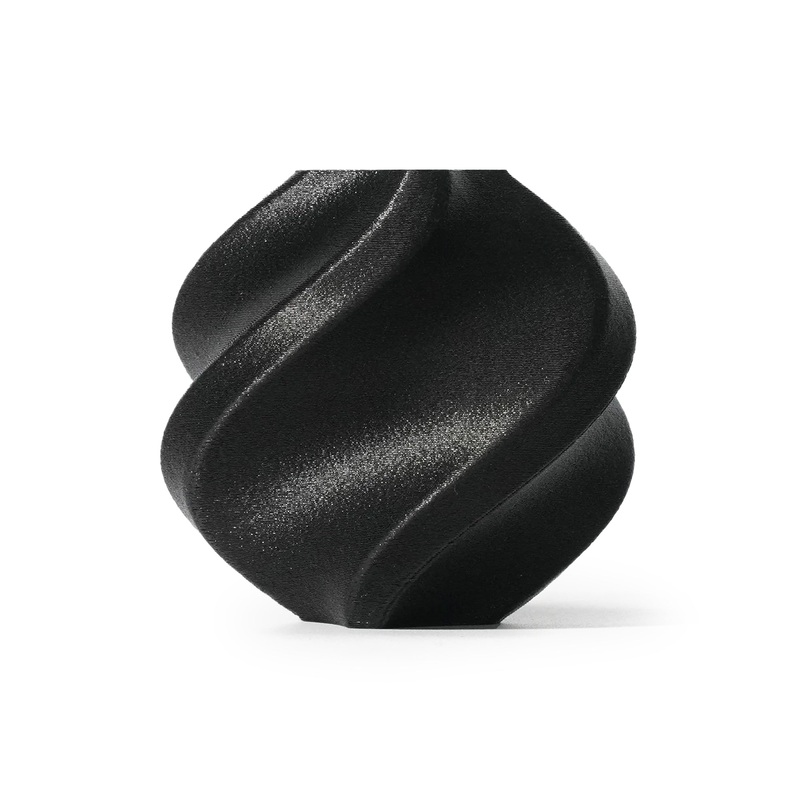
Bambu Lab PET-CF Basic Filament
Original price was: $98.00.$49.00Current price is: $49.00.
Description
Looking for Bambu Labs PET-CF Basic Filament in Australia?
Bambu PET-CF is a blend of tough PET and carbon fiber. Carbon fiber improves hardness and mechanical strength, while still help maintain the low warping and shrinkage of ordinary PET. Bambu PET-CF has excellent high temperature resistance and a soft glow appearance. Its excellent strength, heat resistance, dimensional stability and low moisture absorption make Bambu PET-CF an ideal choice for load-bearing structures or prints used in high temperature and humid environments.
Low Moisture Absorption
In saturated water absorption conditions, the strength and stiffness of PET-CF have small losses, making it suitable for prints used in high humidity environments.
Normal PA-CF
- Loading Weight: 1 kg
Bambu PET-CF
Loading Weight: 1kg.
The test models have a span of 220 mm and a thickness of 3 mm in unloaded state.
High Dimensional Stability
The test models have a span of 220 mm and a thickness of 3 mm in unloaded state.
Specimens size (L*W*H): 240*8*15 mm
Infill density: 60%
Exceptional Thermal resistance
Specimen size (L*W*H): 95*10*4 mm
Test conditions: Specimens were put in an oven at 70 C and 150 C respectively for 0.5 hour.
Printing Setup
- 0.6 mm Hardened Steel Nozzle (Recommended)
0.4 mm / 0.8 mm Hardened Steel Nozzle (Capable) - Enclosed printer (Recommended)
Open frame printer (Capable)* - AMS NOT compatible
*Layer bonding of some prints may become low due to overcooling.
Frequently Asked Questions
What is the difference between PET-CF and PETG-CF?
- The primary difference between PET-CF and PETG-CF lies in their base material. PETG-CF is a reinforced material made by adding carbon fiber to glycol-modified polyethylene terephthalate (PETG), while PET-CF is to polyethylene terephthalate (PET). The key difference ‘G’ in PETG stands for glycol. PETG is a glycol-modified version of PET that contains small amounts of glycol as a co-monomer. The addition of glycol to PETG reduces its crystallinity and makes it more transparent. However, it also reduces its strength and stiffness.
The difference in application between PETG-CF and PET-CF?
- PETG-CF is a versatile basic material that is suitable for printing everyday items, such as bent, folded, and movable parts, due to its excellent toughness and ease of printing. PET-CF, in contrast, contains a greater amount of carbon fiber and is significantly stronger and more temperature resistant compared to PETG-CF. PET-CF is a professional-grade engineering material that is suitable for use in more complex and demanding environments.
What is PET-CF used for?
- Due to its dimensional stability and lower water absorption rate, PET-CF is a better choice than nylon for printing functional parts used in high humidity environments. Also, its high-temperature resistance and low warping make it suitable for printing mechanical assembly parts, such as automotive accessories and fixtures.
Parameters Comparison
| PET-CF | PAHT-CF | |
| Composition | PET, carbon fiber | PA 12 and other long-chain PA, carbon fiber |
| Hotend Compatibility | Hardened Steel 0.6 (recommended), 0.4, 0.8 mm | |
| Build Plate Compatibility | Engineering Plate, High Temperature Plate, Textured PEI Plate | |
| Glue | Glue Stick / Liquid Glue | Glue Stick |
| AMS Compatibility | NO | Yes |
| Print Speed | < 100 mm/s | < 100 mm/s |
| Toughness (Impact Strength – XY) | 36.0 kJ/m | 57.5 kJ/m |
| Strength (Bending Strength – XY) | 149 MPa | 140 MPa |
| Stiffness (Bending Modulus – XY) | 5080 MPa | 4120 MPa |
| Layer Adhesion (Impact Strength – Z) | 4.5 kJ/m | 13.3 kJ/m |
| Heat ResistantHDT, 0.45 MPa | 205 C | 194 C |
| Saturated Water Absorption Rate / % (25 C55% RH) | 0.37 | 0.88 |
Recommended Printing Settings
- Drying Settings before Printing – 80 C8 – 12 h
- Pringting and Keeping Container’s Humidity – < 20% RH (Sealed, with Desiccant)
- Nozzle Temperature – 260 – 290 C
- Bed Tempreature (with PVP Glue) – 80 – 100 C
- Printing Speed – < 100 mm/s
Physicial Properties
- Density – 1.29 g/cm
- Vicar Softening Temperature – 226 C
- Heat Deflection Temperature – 205 C
- Melting Temperature – 250 C
- Melt Index – 25.3 2.5 g/10 min
Mechanical Properties
- Tensile Strength – 76 5 MPa
- Breaking Elongation Rate – 4.1 0.5 %
- Bending Modulus – 5080 210 MPa
- Bending Strength – 149 4 MPa
- Impact Strength – 36.0 2.7 kJ/m
Printing Tips
- Bambu PET-CF needs proper drying before printing: recommended drying temperature is 80 for 5 hours in filament dryer, or 90 for 10 hours on heat bed. (Do not exceed 100 because the spool may melt). For more details, please refer to: Printing tips for Engineering materials on WIKI.
-
To prevent the material from absorbing moisture, it is recommended to use an airtight storage container with desiccant during printing. For more details, please refer to: Printing tips for Engineering materials on WIKI.
Included
- 1x Filament & Desiccant
- 1x Filament Label
Browse more
- Browse all Bambu Lab Filament
- Browse allBambu Lab X1 3D Printer, Spare Parts & Accessories
- Browse allBambu Lab P1P/P1PS 3D Printer, Spare Parts & Accessories
- Browse allBambu AMS Spare Parts & Accessories
- Browse all Bambu Lab A1 Mini 3D Printer, Spare Parts & Accessories
- Browse all Bambu Labs
- Browse allPrinter Spare Parts
- Browse ASA Filament
- Browse ABS Filament
- Browse Nylon Filament
- Browse PC Filament
- Browse PETG Filament
- Browse PLA Filaments(also PLA+)
- Browse PVA Filament
- Browse Silk Filament
- Browse Speciality Filament
- Browse TPU Filament
- Check out all our 3D Printing Supplies
Related products
-
Sale!

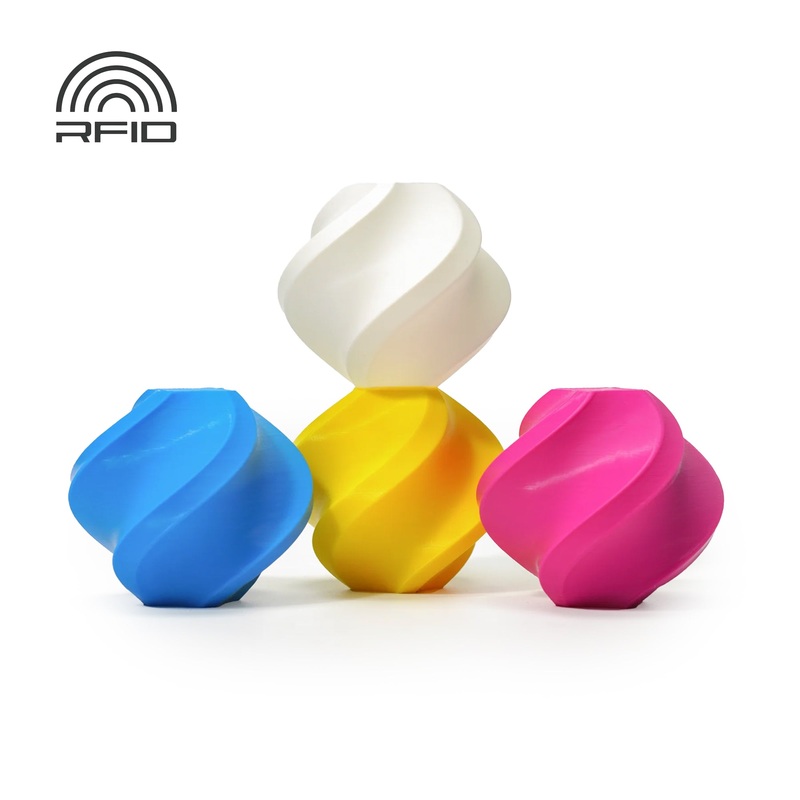
Bambu Lab PLA CMYK Lithophane Bundle
Original price was: $42.00.$25.20Current price is: $25.20. Add to cart -
Sale!
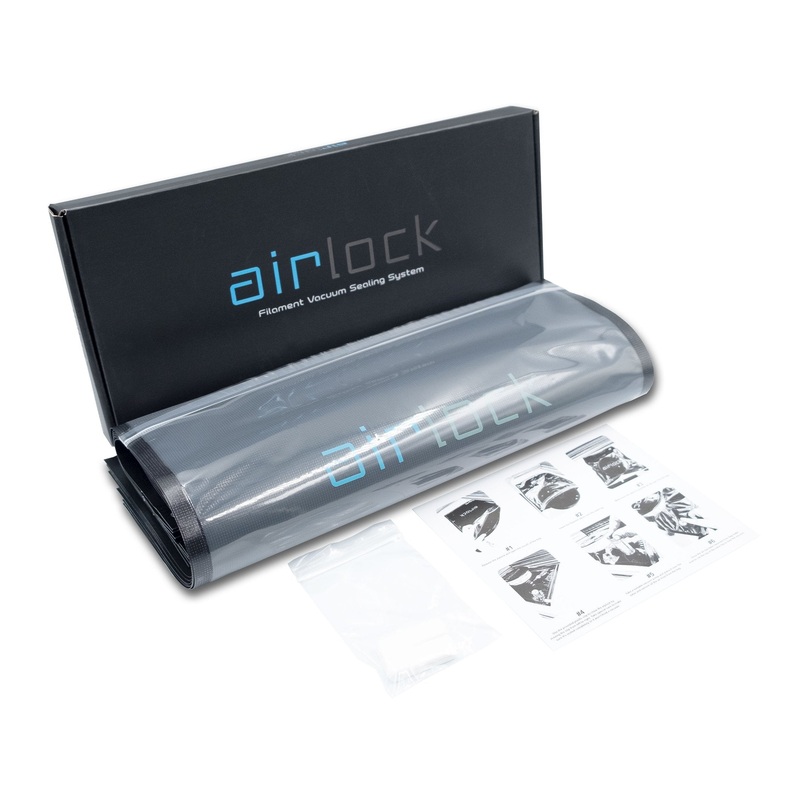
airlock Filament Vacuum Sealing System (12 Bags) v2
Original price was: $58.00.$29.00Current price is: $29.00. Add to cart -
Sale!
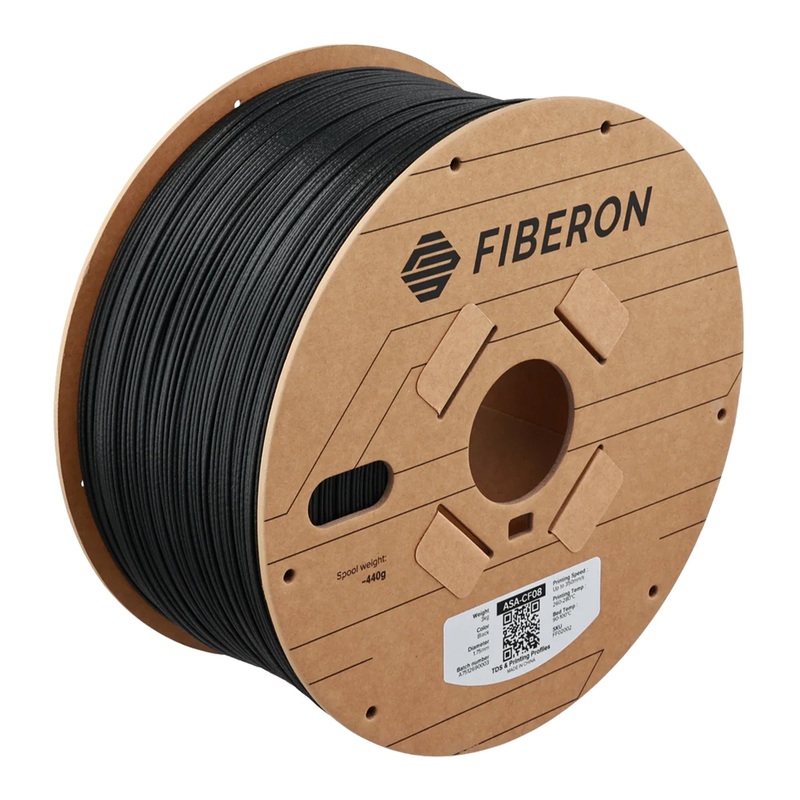
Polymaker Fiberon ASA-CF08 1.75mm Filament 3kg Black
Original price was: $65.00.$32.50Current price is: $32.50. Add to cart -
Sale!
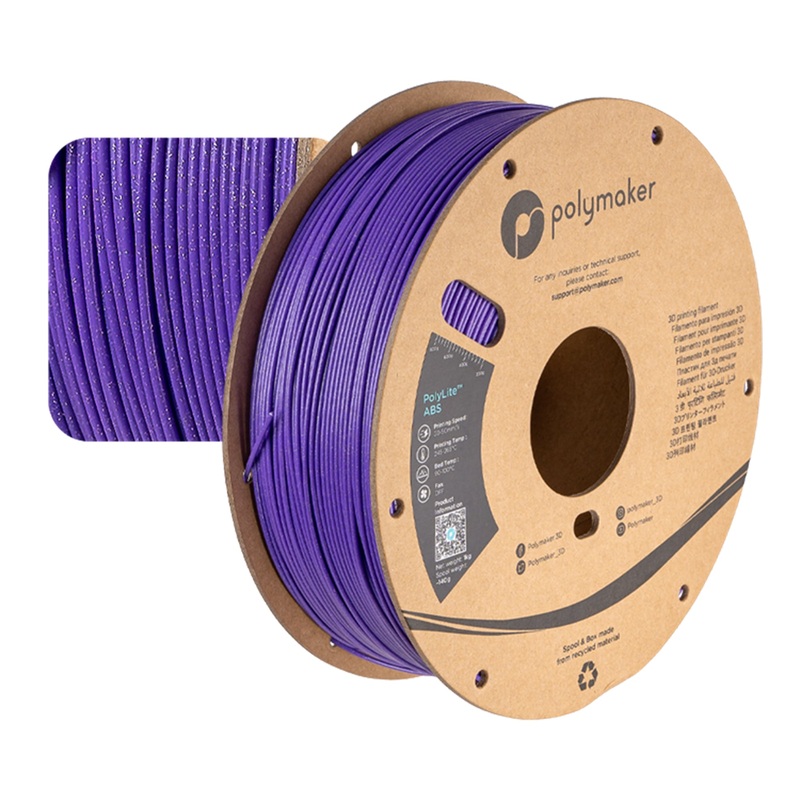
Polymaker PolyLite ABS Galaxy 1.75mm Filament 1kg Galaxy Black
Original price was: $87.00.$43.50Current price is: $43.50. Add to cart
Reviews
There are no reviews yet.