
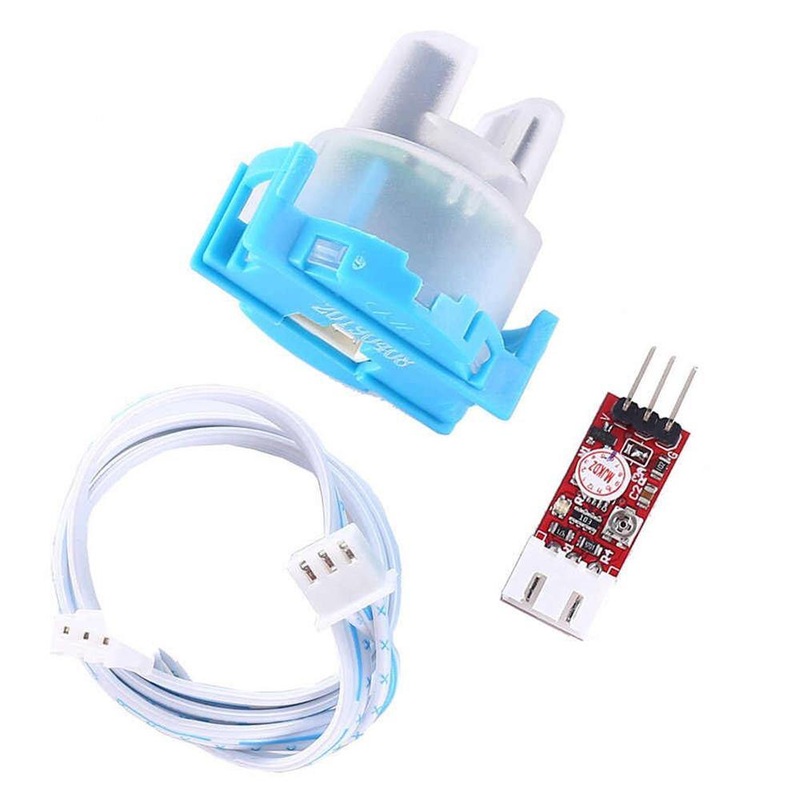
Turbidity Sensor With Module for Liquid Particle Detection
Original price was: $41.00.$24.60Current price is: $24.60.
Description
Turbidity Sensor With Module for Liquid Particle Detection
A turbidity sensor (also known as a turbidity liquid particle detection sensor) is a device used to measure the turbidity, or cloudiness, of a liquid. If you’re wondering what is turbidity sensor, it is commonly used to detect the presence of suspended particles such as dirt, algae, or bacteria in water.
The sensor works by shining a light through the liquid and measuring the amount of light that is scattered or absorbed due to the presence of particles.
Turbidity is the measurement of particulate matter in water. This turbidity module requires the analog port of a microcontroller (MCU) to read analog values for accurate calculation. It also requires turbidity calibration liquid for proper calibration and is not a device that directly measures voltage like a multimeter.
The output voltage of each module may vary. To ensure accurate readings, the module should be protected from external light interference. Temperature and voltage fluctuations can also affect the output voltage of the module.
These measurements are often based on comparisons between clean water (measured at the beginning of a process) and the turbidity levels at later stages. For example, in dishwashers, turbidity sensing helps optimize washing cycles.
By measuring the turbidity of wash water, systems can conserve energy by adjusting operation time based on cleanliness. This results in improved efficiency and energy savings for users.
Parameters of the Turbidity Particle Sensor:
-
Voltage: 3.3-5V (with anti-reverse circuit)
-
Output: default analog (can set high and low output)
-
Measuring range: 0-1000 NTU
What is Turbidity Sensor & Pricing Insight?
A turbidity sensor is widely used in water quality monitoring systems to evaluate the clarity of liquids. It plays a crucial role in environmental studies, industrial processes, and IoT-based smart water monitoring solutions.
When considering a turbidity sensor price, it can vary depending on accuracy, build quality, and compatibility with different platforms. Affordable modules like this one provide a great balance between performance and cost, making them ideal for students, hobbyists, and professionals working on embedded and IoT projects.
Key Features:
- Turbidity can be measured in the range of 0 to 1000 Nephelometric Turbidity Units (NTU).
- Operates at 3.3-5V and has built-in anti-reverse circuitry for safety.
- The operating temperature range is from -20C to 80C.
- Uses light scattering or absorption to estimate the presence of suspended particles in liquids.
- Used in various applications such as water quality monitoring, environmental monitoring, and industrial processes.
Turbidity Liquid Particle Detection Sensor Pin Diagram:
Related products
-
Sale!

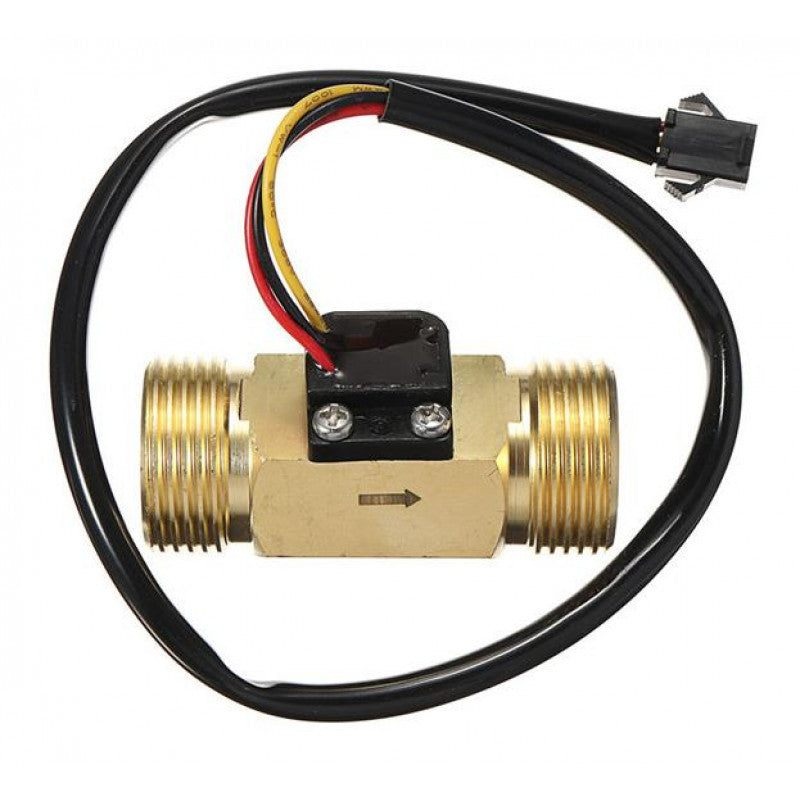
3/4 Inch Brass Water Flow Sensor SEN-HZ43WB
Original price was: $83.00.$41.50Current price is: $41.50. Add to cart -
Sale!
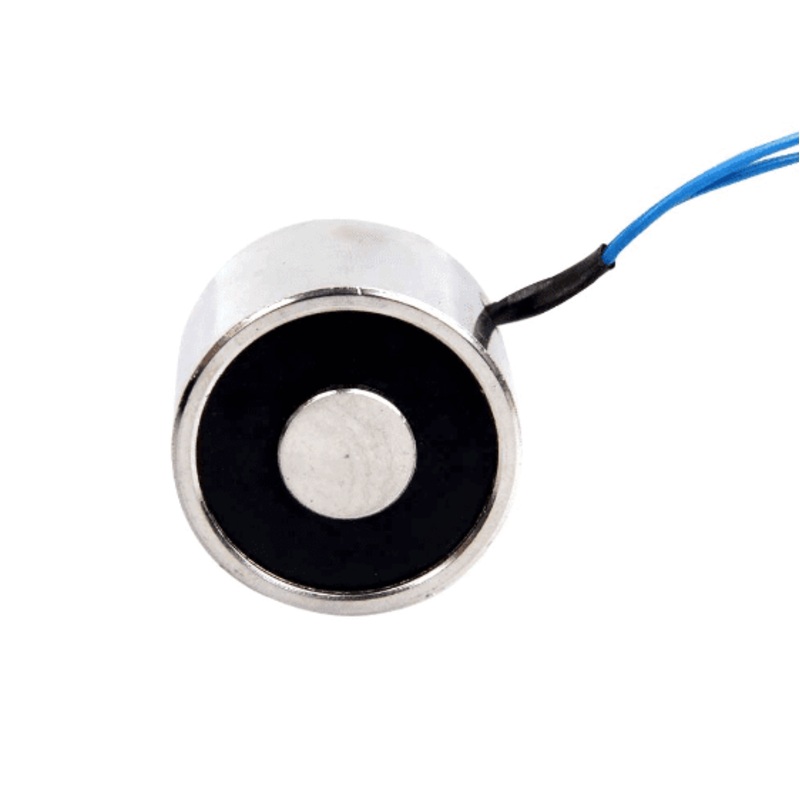
DC 12V KK-P25/20 8KG Lifting Solenoid Electromagnet
Original price was: $26.00.$15.60Current price is: $15.60. Add to cart -
Sale!
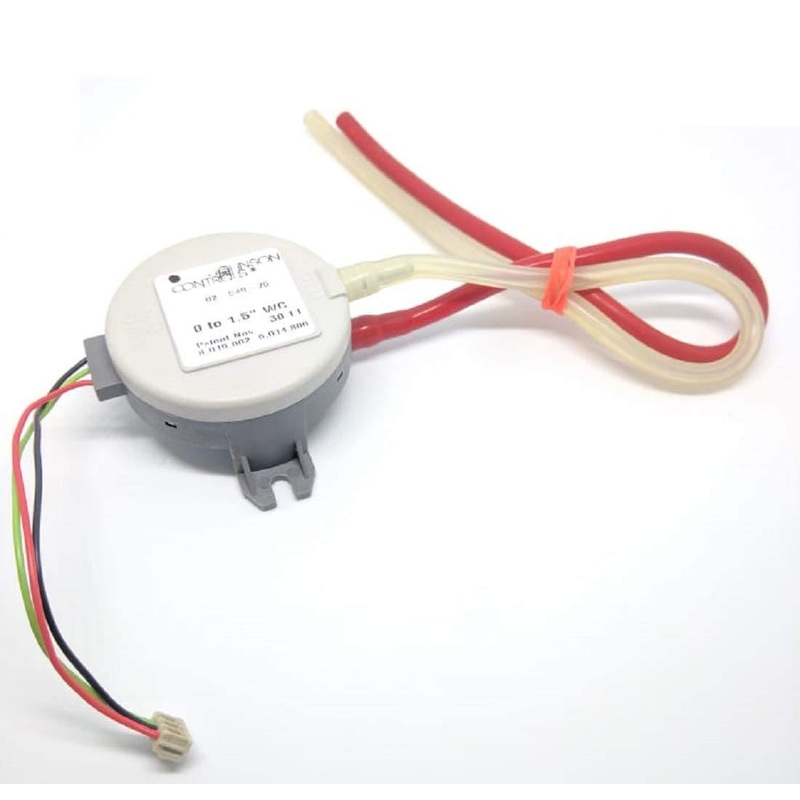
Differential Pressure Transmitter for Variable Air Volume(VAV)
Original price was: $58.00.$29.00Current price is: $29.00. Add to cart -
Sale!
High Sensitivity Water Level Sensor compatible with Arduino
Original price was: $4.00.$2.40Current price is: $2.40. Add to cart
Reviews
There are no reviews yet.